The Best Homemade Kimbap Recipe You’ll Ever Try
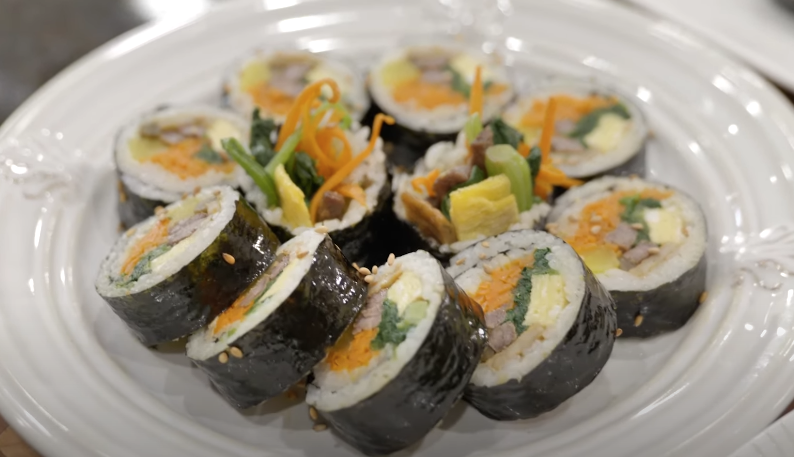
If you’ve ever craved something quick, fresh, and totally satisfying, let me tell you—kimbap is it. I still remember the first time I made it at home.
I wanted something fun to eat that wasn’t too heavy but still filling, and this rolled goodness completely won me over.
That’s why I’m sharing my go-to kimbap recipe with you. Trust me, once you try making it, you’ll see why it’s so addictive.
What is Kimbap?
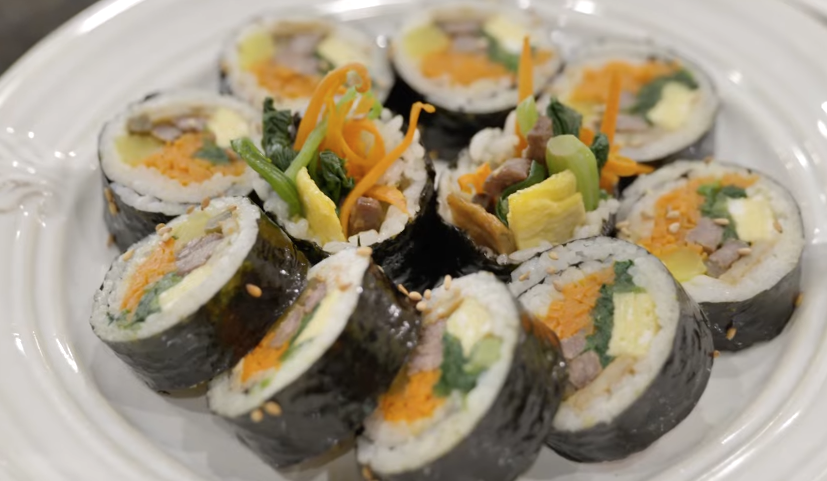
Kimbap (also called gimbap) is a Korean dish made with rice, vegetables, and sometimes meat or seafood, all rolled up in seaweed. Think of it like sushi rolls, but with a very different flavor.
Instead of raw fish, kimbap usually has cooked or pickled fillings, which makes it super friendly for anyone to try. The balance of soft rice, crunchy veggies, and savory fillings is what makes every bite so good.
Why You’ll Love This Kimbap Recipe
You’ll love this because it’s:
- Easy to make once you get the rolling technique down.
- Healthy and customizable, so you can add whatever fillings you like.
- Perfect for lunchboxes, picnics, or snacks on the go.
- Fun to make with family or friends—everyone can roll their own.
It’s one of those recipes that feels fancy but is actually really simple once you try it.
Ingredients You’ll Need
Here’s everything you need to make classic kimbap:
- Cooked short-grain rice – warm and slightly sticky.
- Roasted seaweed sheets (gim/nori).
- Carrots – cut into thin strips.
- Cucumber – sliced into thin matchsticks.
- Spinach – lightly blanched and seasoned with a bit of sesame oil.
- Eggs – beaten and cooked into a thin omelet, then sliced.
- Pickled radish (danmuji) – the bright yellow kind that adds crunch and tang.
- Protein option – beef bulgogi, tuna, crab sticks, or even tofu.
- Sesame oil and sesame seeds – for seasoning and finishing.
How to Prepare the Fillings
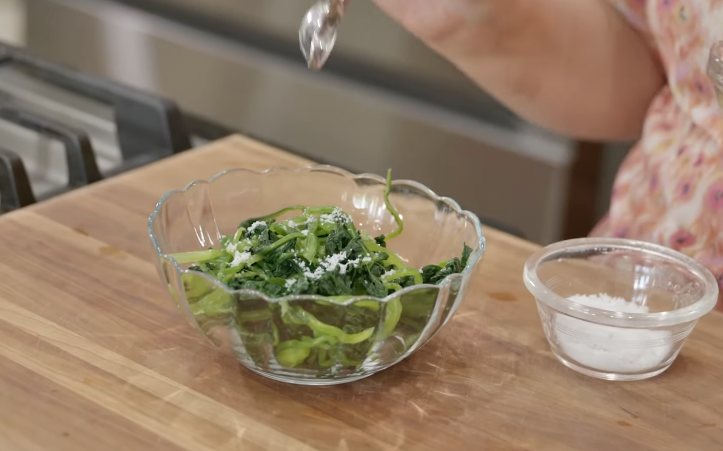
Each filling should be ready before you start rolling. Here’s how:
- Rice: Mix warm rice with a little sesame oil and salt. This keeps it flavorful and prevents it from sticking too much.
- Vegetables: Blanch spinach quickly, sauté carrots lightly, and keep cucumbers fresh and raw.
- Eggs: Cook into a thin omelet and slice into strips.
- Protein: Cook beef, tuna, or crab sticks until ready.
Having everything prepped makes rolling so much easier.
How to Roll Kimbap Like a Pro
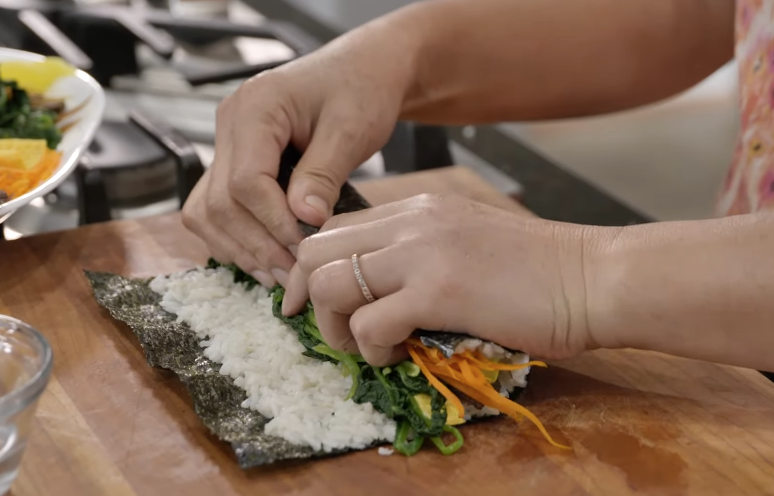
- Lay the seaweed sheet shiny side down on a bamboo mat.
- Spread the rice evenly, leaving about an inch at the top.
- Layer the fillings across the rice in a straight line (don’t overstuff).
- Roll tightly using the bamboo mat, pressing gently to keep everything in place.
- Seal the roll by brushing a little sesame oil at the edge.
- Slice with a sharp knife, wiping it clean between cuts.
Tip: Roll firmly but don’t crush the ingredients.
Variations You Can Try
One of the best things about kimbap is how versatile it is. Here are some fun twists:
- Tuna Kimbap – use canned tuna mixed with mayo.
- Bulgogi Kimbap – thin slices of marinated beef.
- Vegetarian Kimbap – skip the meat and load up on extra veggies.
- Cheese Kimbap – add a slice of cheese for a creamy touch.
- Kimchi Kimbap – add stir-fried kimchi for extra flavor.
Tips for Perfect Kimbap Every Time
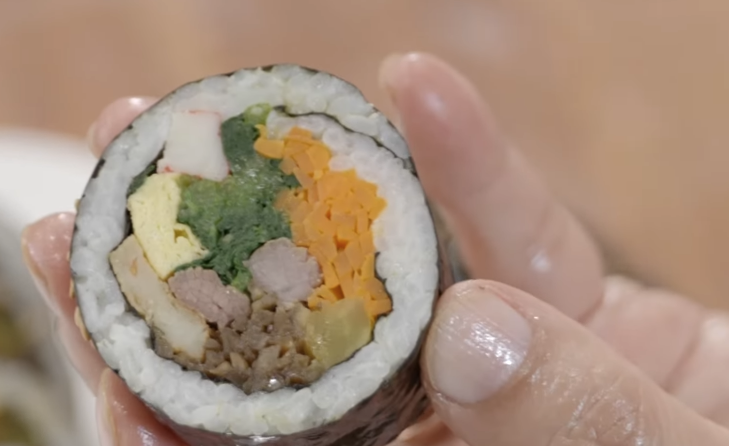
- Use slightly warm rice—it sticks better.
- Don’t overfill your roll. Less is more.
- Keep a small bowl of water nearby to dip your fingers while spreading rice.
- Brush a little sesame oil on the finished roll for shine and extra flavor.
Serving and Storing Kimbap
Kimbap tastes best fresh, right after you make it. If you need to store it, wrap tightly in plastic wrap and keep it in the fridge for a few hours. Just know that rice tends to harden when cold, so it’s always better enjoyed the same day.
FAQs About Kimbap
Q: Is kimbap the same as sushi?
No. Sushi often has raw fish and uses vinegar-seasoned rice, while kimbap uses sesame oil and cooked or pickled fillings.
Q: Can I make kimbap without a bamboo mat?
Yes, you can use a clean dish towel or even your hands, but a bamboo mat makes it much easier.
Q: What if I don’t have pickled radish?
You can skip it, but it does add a special crunch and tang. Try pickled cucumbers as a substitute.
Q: Can I make kimbap ahead of time?
You can, but don’t make it too early. A few hours in advance is fine, but overnight storage makes the rice dry.
Q: Is kimbap healthy?
Yes! It’s packed with veggies, lean protein, and healthy fats from sesame oil.
This is my tried-and-true way of making kimbap at home. It’s simple, fun, and always delicious. Once you try it, you’ll see why I keep coming back to this recipe whenever I want something quick and comforting.