The Best Irish Stew Recipe You’ll Ever Try (Rich, Comforting & Easy!)
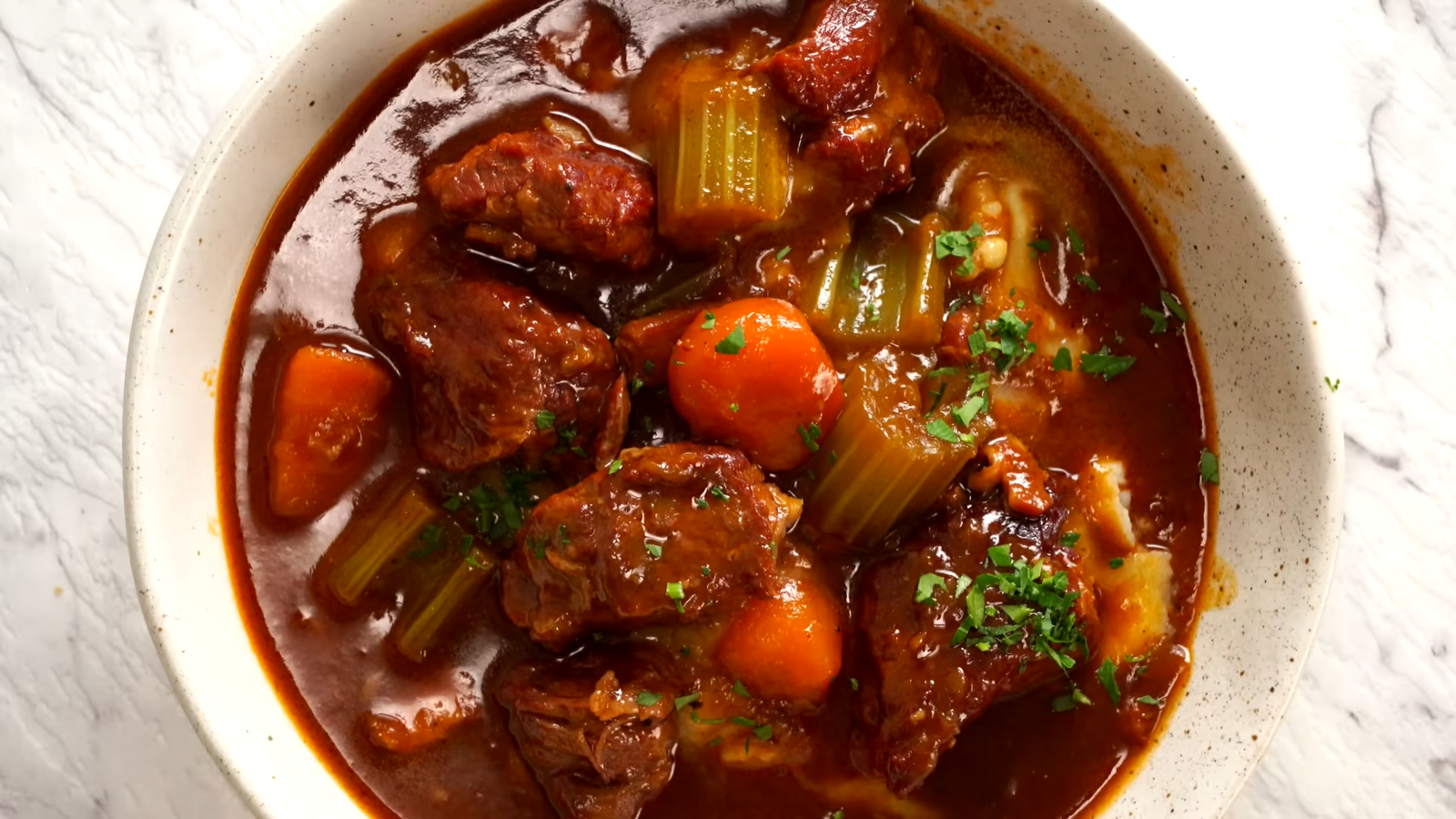
If there’s one dish that always brings me comfort, it’s Irish stew. I still remember the first time I made it on a cold rainy evening.
The smell of slow-cooked meat, potatoes, and herbs filled my kitchen, and honestly, it felt like a warm hug in a bowl.
That’s when I realized Irish stew isn’t just food—it’s the kind of meal that makes you slow down, sit with family, and really enjoy the moment.
I wanted to share this recipe with you because I know you’ll love it just as much as I do. It’s hearty, it’s simple, and it’s the kind of dish that makes everyone come back for seconds. So, let’s get into it.
What is Irish Stew?
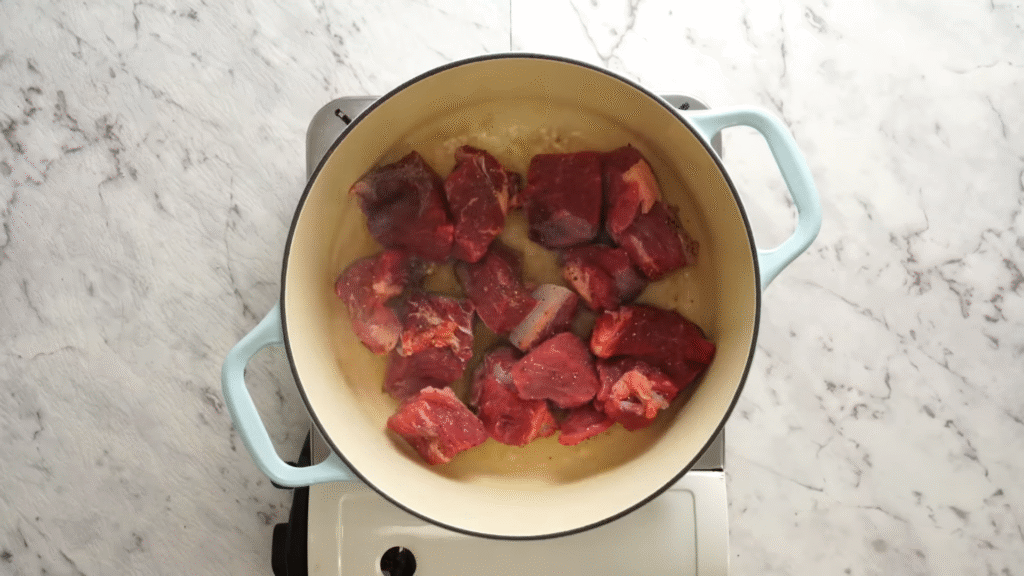
Irish stew is a traditional dish from Ireland made with lamb or beef, root vegetables, onions, and potatoes, all slowly cooked until tender. It’s rustic, filling, and made to warm you up on the coldest days. Back in the old days, Irish families made it with whatever they had—usually lamb or mutton because sheep were so common. Over time, beef also became popular in the recipe.
It’s not fancy, but that’s exactly what makes it so perfect. The flavors come from slow cooking, letting everything blend together naturally.
Why You’ll Love This Irish Stew
I know you might be wondering—why this stew over any other hearty soup or casserole? Here’s why I love it:
- Simple ingredients – You don’t need anything special, just meat, potatoes, carrots, onions, broth, and herbs.
- One pot meal – Everything goes into a single pot, making cooking (and cleanup) easier.
- Flavorful and rich – The meat gets so tender, and the broth turns into a thick, savory gravy that’s out of this world.
- Comfort food at its best – This stew feels like a cozy blanket for your stomach.
Ingredients You’ll Need
Here’s what you’ll need for a classic Irish stew:
- Meat – Traditionally lamb or mutton, but beef works just as well.
- Potatoes – The heart of Irish stew. Some are cut into chunks, while others break down and thicken the broth.
- Carrots – Adds sweetness and color.
- Onions – Gives depth and richness.
- Celery (optional) – Not always traditional, but adds extra flavor.
- Beef or lamb stock – The liquid base of the stew.
- Fresh herbs – Thyme, parsley, and bay leaves are perfect.
- Salt and pepper – Simple seasoning that makes everything shine.
Step-by-Step Instructions for Irish Stew
Let’s make it easy. Here’s how I usually cook it:
1. Brown the Meat
Heat oil in a large pot and brown the meat on all sides. Don’t skip this step—it adds deep flavor to the stew.
2. Add the Vegetables
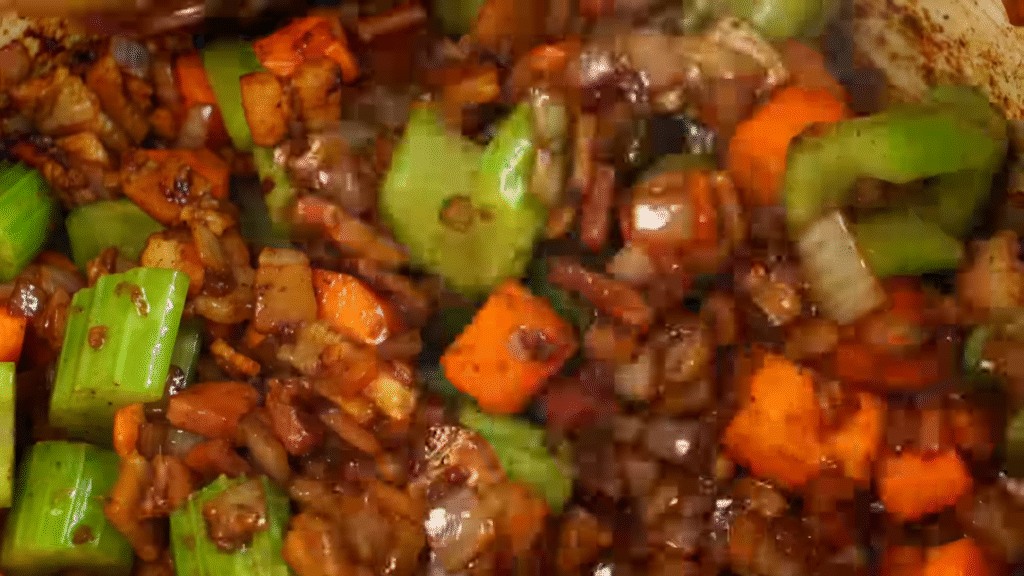
Toss in the onions, carrots, and celery. Cook them for a few minutes until they start to soften.
3. Add Potatoes and Stock
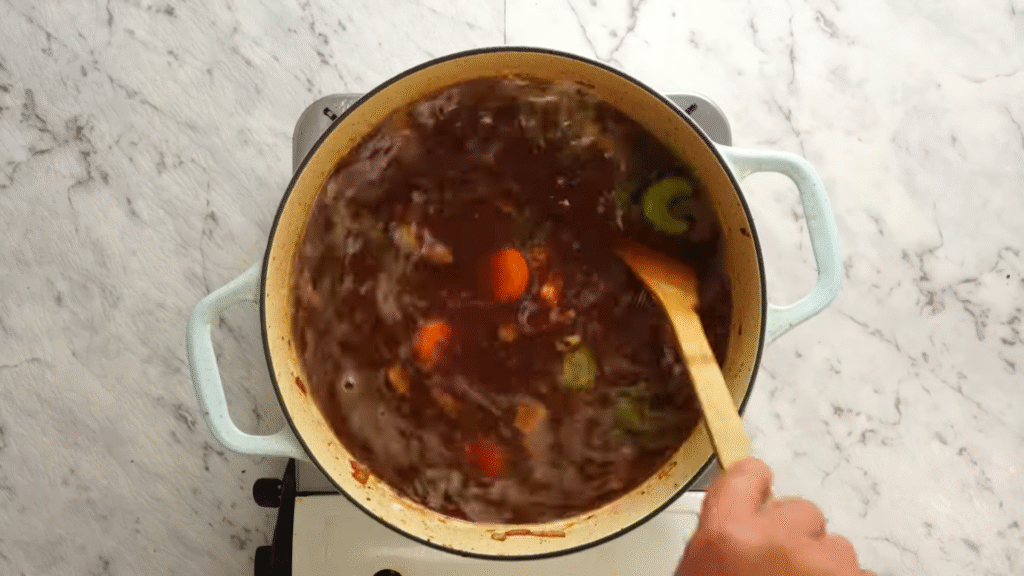
Place the potatoes in the pot, then pour in enough stock to cover everything. Scrape the bottom of the pot to release all those browned bits of flavor.
4. Add Herbs and Simmer
Throw in thyme, parsley, and bay leaves. Reduce the heat, cover the pot, and let it simmer slowly for about 1.5 to 2 hours. The longer, the better.
5. Check and Serve
Once the meat is tender and the broth has thickened, taste it. Adjust with salt and pepper. Serve hot with bread to soak up the gravy.
Tips to Make the Best Irish Stew
- Use a mix of potatoes – Some waxy, some starchy. The starchy ones break down and make the broth thicker.
- Don’t rush the cooking – Low and slow cooking is what makes the stew melt-in-your-mouth good.
- Add Guinness (optional) – A splash of Guinness beer gives it a deep, rich flavor.
- Cook a day ahead – Like many stews, this tastes even better the next day when flavors have settled in.
Variations of Irish Stew
One of the reasons I love this dish is how flexible it is. Here are a few fun variations:
- Beef Irish Stew – Swap lamb for beef chuck or stew meat.
- Guinness Stew – Add a bottle of Guinness beer for a darker, richer taste.
- Vegetarian Irish Stew – Use mushrooms, lentils, or chickpeas instead of meat.
- Instant Pot Irish Stew – Speed it up by cooking in a pressure cooker.
- Slow Cooker Irish Stew – Let it simmer all day while you go about your business.
What to Serve with Irish Stew
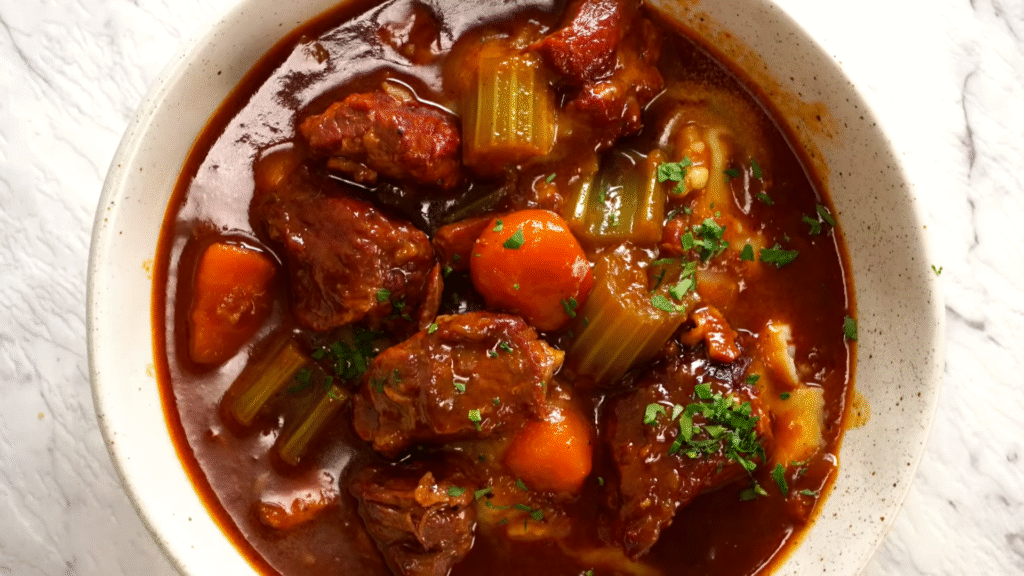
Irish stew is hearty enough on its own, but these sides make it even better:
- Irish soda bread – Perfect for dipping into the broth.
- Buttered rolls – Soft and warm on the side.
- Mashed potatoes – Some folks even serve stew over mashed potatoes for extra comfort.
- A pint of beer – If you want to keep it truly Irish, pair with Guinness.
Storing and Reheating Irish Stew
This stew stores beautifully, which is another reason I love making it.
- In the fridge – Keeps for up to 3-4 days in an airtight container.
- In the freezer – Lasts up to 3 months. Just thaw overnight in the fridge before reheating.
- Reheating – Warm gently on the stove or in the microwave until hot.
Why Irish Stew is Perfect for Any Occasion
What makes Irish stew so special is how versatile it is. I’ve served it on St. Patrick’s Day, on cold winter nights, and even for casual family dinners. It’s not just food—it’s the kind of dish that brings people together.
And honestly, every time I make it, I’m reminded why comfort food is so important. It’s not about being fancy. It’s about making something hearty, filling, and full of love.
FAQs About Irish Stew
Q1: Can I use chicken in Irish stew?
Traditionally, no. But if you prefer chicken, go ahead. Just know it won’t taste like classic Irish stew.
Q2: Do I need Guinness for Irish stew?
No, it’s optional. Guinness adds richness, but you can make it without alcohol.
Q3: What cut of lamb or beef works best?
For lamb, shoulder or neck works well. For beef, use chuck or stew meat. Both get tender with slow cooking.
Q4: Can I thicken the broth more?
Yes. You can mash some potatoes into the broth or stir in a little cornstarch slurry at the end.
Q5: Is Irish stew healthy?
Yes, it’s packed with vegetables, protein, and no processed ingredients. It’s hearty and wholesome.
Q6: Can I cook Irish stew in a slow cooker?
Absolutely. Just brown the meat first, then let it cook on low for 6–8 hours.
Q7: Can I make Irish stew ahead of time?
Yes, it tastes even better the next day because the flavors have time to develop.
Q8: What’s the difference between Irish stew and Guinness stew?
Guinness stew has beer added to it, making it richer and darker in flavor.
Q9: Do I peel the potatoes?
You can, but it’s not necessary. Leaving the skin on adds texture and nutrients.
Q10: Can I make it vegetarian?
Yes, just replace meat with mushrooms, beans, or lentils and use vegetable broth.
That’s it! A warm, hearty, and unforgettable Irish stew you’ll want to make again and again.