
The Best Homemade Curry Powder Recipe You’ll Ever Try
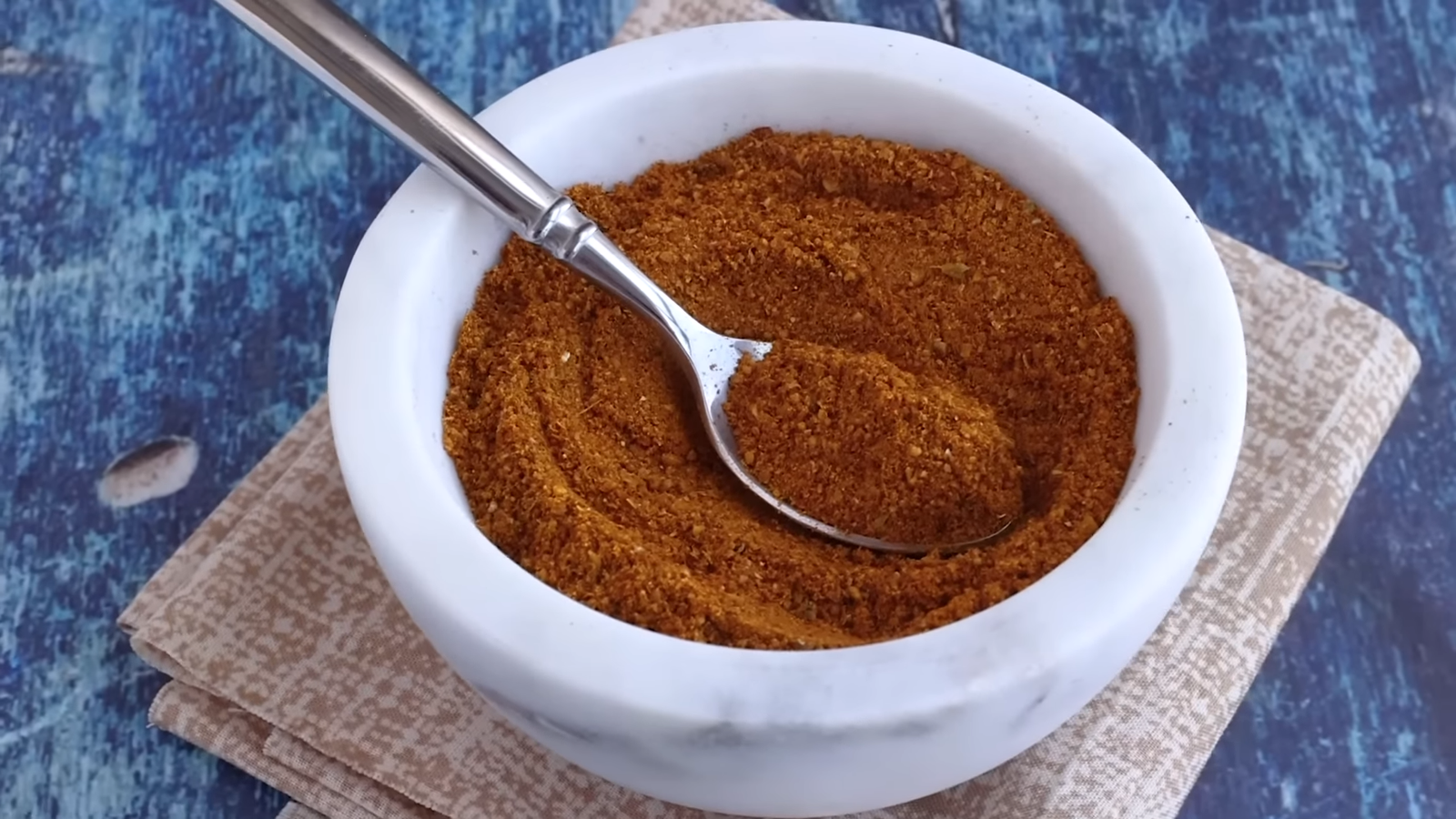
If you’ve ever looked at that jar of curry powder in your spice rack and thought, “I wonder if I can make this myself?”—the answer is yes, and honestly, it tastes so much better.
I used to buy curry powder from the store without even thinking, but one day I ran out in the middle of cooking. That moment pushed me to try making my own, and I never turned back.
The flavor was fresher, bolder, and customizable to exactly how I like it. Today, I’ll walk you through how to make your own curry powder at home. Trust me, once you try it, you won’t want the store-bought version again.
What Is Curry Powder?

Curry powder is not just one spice—it’s a mix of many spices blended together to create a warm, earthy, and slightly spicy flavor. What I love about it is that it’s super flexible. It can be mild, spicy, or even a bit sweet, depending on how you mix it.
Traditionally, curry powder wasn’t a single formula but more of a spice blend inspired by Indian cooking. The British made their own version during the colonial period, and that’s what became common in Western kitchens. But when you make it at home, you’re free to play around and create a blend that feels right for your cooking style.
Why Make Curry Powder at Home?
You might be asking, “Why should I make curry powder when I can just buy it?” Let me give you a few reasons:
- Freshness: Store-bought curry powder sits on shelves for months. Homemade is vibrant and full of flavor.
- Customization: You can adjust the heat, sweetness, or earthiness to your taste.
- Cost-effective: If you already have spices at home, it’s basically free to make.
- Fun: Honestly, blending your own spice mix feels creative and rewarding.
For me, the biggest reason was freshness. The first time I tasted my homemade curry powder, it had a punch that store-bought versions just didn’t deliver.
Core Ingredients of Curry Powder

Before we dive into the actual recipe, let’s talk about the key spices that usually go into curry powder. These are the ones I always keep on hand:
- Turmeric: This gives curry powder its iconic golden color and earthy taste.
- Coriander seeds: Adds a mild, lemony, nutty flavor.
- Cumin seeds: Brings a warm, earthy depth.
- Fenugreek seeds: Slightly bitter but balances the blend.
- Black pepper: For sharpness and mild heat.
- Mustard seeds: Adds tang and warmth.
- Chili powder or dried red chilies: For heat (you can adjust the level).
- Ginger powder: A touch of spice and warmth.
- Cloves, cardamom, and cinnamon: These are optional but can add sweetness and depth.
You don’t need every spice in the world. Start with the basics and build from there.
Step-by-Step Curry Powder Recipe
Here’s the recipe I use most often. It’s simple, well-balanced, and works for almost any dish.
Ingredients:
- 3 tablespoons coriander seeds
- 2 tablespoons cumin seeds
- 2 tablespoons turmeric powder
- 1 tablespoon black peppercorns
- 1 tablespoon mustard seeds
- 1 tablespoon fenugreek seeds
- 1 tablespoon chili powder (or 2 dried red chilies)
- 1 teaspoon ground ginger
- 1 teaspoon cinnamon (optional)
- 1 teaspoon cloves (optional)
- 4–5 cardamom pods (optional)
Instructions:
- Toast the whole spices
Heat a pan on medium and dry toast coriander, cumin, peppercorns, mustard seeds, and fenugreek seeds. Stir often so they don’t burn. Toasting brings out the oils and boosts flavor. - Cool them down
Let the spices cool completely before grinding. This keeps the flavor intact. - Grind to a powder
Use a spice grinder, coffee grinder, or mortar and pestle to grind the toasted spices until fine. - Mix with ground spices
Combine the freshly ground mix with turmeric, chili powder, ginger, and any optional spices you like. Stir until evenly blended. - Store properly
Keep your curry powder in an airtight jar in a cool, dark place. It will stay fresh for up to 6 months, but honestly, I always finish mine way before then.
How to Use Curry Powder

One of the best things about curry powder is how versatile it is. Here are my favorite ways to use it:
- Curries: Of course, the classic use—just add a tablespoon or two to your curry base.
- Soups: A pinch of curry powder can turn a plain soup into something rich and flavorful.
- Marinades: Mix it with yogurt or oil for a delicious meat or veggie marinade.
- Rice: Stir it into rice while cooking for an easy flavored side dish.
- Roasted veggies: Toss your vegetables with olive oil and curry powder before roasting.
Every time I experiment, I find a new way to use it. Don’t be afraid to sprinkle it into unexpected dishes—you’ll be surprised.
Variations of Curry Powder
The beauty of making curry powder at home is that you can tweak it however you like. Here are some ideas:
- Spicy blend: Add extra dried red chilies or cayenne for heat.
- Mild blend: Use less chili and more coriander for a lighter flavor.
- Sweet blend: Add more cinnamon and cardamom for a slightly sweet note.
- Smoky blend: Mix in smoked paprika for a unique twist.
Think of curry powder as a base recipe that you can adjust depending on what dish you’re cooking.
Tips for the Best Curry Powder

- Always toast your whole spices—it makes a huge difference.
- Use freshly ground spices instead of pre-ground ones if you can.
- Keep your spice jar tightly sealed to lock in freshness.
- Label your jar with the date you made it so you know how fresh it is.
- Don’t be afraid to experiment and make it your own.
FAQs About Curry Powder
1. Can I make curry powder without a spice grinder?
Yes, you can use a mortar and pestle. It takes more effort, but it works.
2. Is curry powder the same as garam masala?
No, garam masala is usually added at the end of cooking and has a sweeter, warmer flavor. Curry powder is often used at the start for a base flavor.
3. How long does homemade curry powder last?
Stored properly, it lasts about 6 months, but the fresher the better.
4. Can I skip certain spices?
Absolutely. If you don’t have fenugreek or mustard seeds, just leave them out. The recipe is flexible.
5. Is curry powder healthy?
Yes, it contains turmeric, ginger, and other spices with anti-inflammatory and antioxidant benefits.
6. Can I make curry powder less spicy?
Of course! Just reduce or skip the chili powder and add more coriander or turmeric.
7. How much curry powder should I use in a dish?
Start with 1–2 teaspoons and adjust to taste.
8. Can I double the recipe and store it?
Yes, just make sure you store it in an airtight jar and use it within 6 months.
Final Thoughts
Making curry powder at home isn’t just about flavor—it’s about taking control of what goes into your food. Every time I open my spice jar, I feel proud that I made it myself. It’s fresh, customizable, and makes every dish taste better. If you’ve never tried making your own before, give this recipe a shot. You might just find yourself hooked like I did.